- Open 24/7, Monday to Sunday
- 4184 + containers delivered
- Serving Johnson County
Project applications
Kansas City projects need the right dumpster plan
These common Dumpster Rental jobs are handled according to the material, access, and placement conditions at the Kansas City property.
Household Cleanout Dumpsters
For Kansas City moves, inherited contents, and whole-home clearouts, choose a container that handles furniture, boxes, fixtures, and ordinary household debris without crowding the driveway.
Home cleanoutsGarage and Basement Cleanouts
Older Kansas City homes often have tight access and accumulated storage. We plan placement around doors and drive paths for shelving, tools, boxes, and discarded household material.
Storage clearingHome Renovation Dumpsters
Kitchen, bathroom, and room renovations in Kansas City produce mixed loads of cabinets, drywall, flooring, trim, and packaging. Size follows the renovation scope and loading area.
Remodel debrisYard Waste Dumpsters
Kansas City storm cleanup and seasonal yard work can generate branches, brush, soil, and limited landscaping debris. Keep the load free of prohibited materials and describe dense material first.
Yard cleanupRoofing Debris Dumpsters
Roof replacement around Kansas City homes creates shingles, underlayment, flashing, and tear-off waste. Placement should leave roof crews room to move while protecting the driveway below.
Roof tear-offConcrete and Heavy Debris Dumpsters
Kansas City sidewalks, patios, and foundation work may involve concrete, brick, or block. Discuss dense debris before delivery because material weight can determine the practical container choice.
Heavy materials
Kansas City conditions
How Dumpster Rental Kansas City, KS works, start to finish
Dumpster Rental Kansas City, KS: the practical details
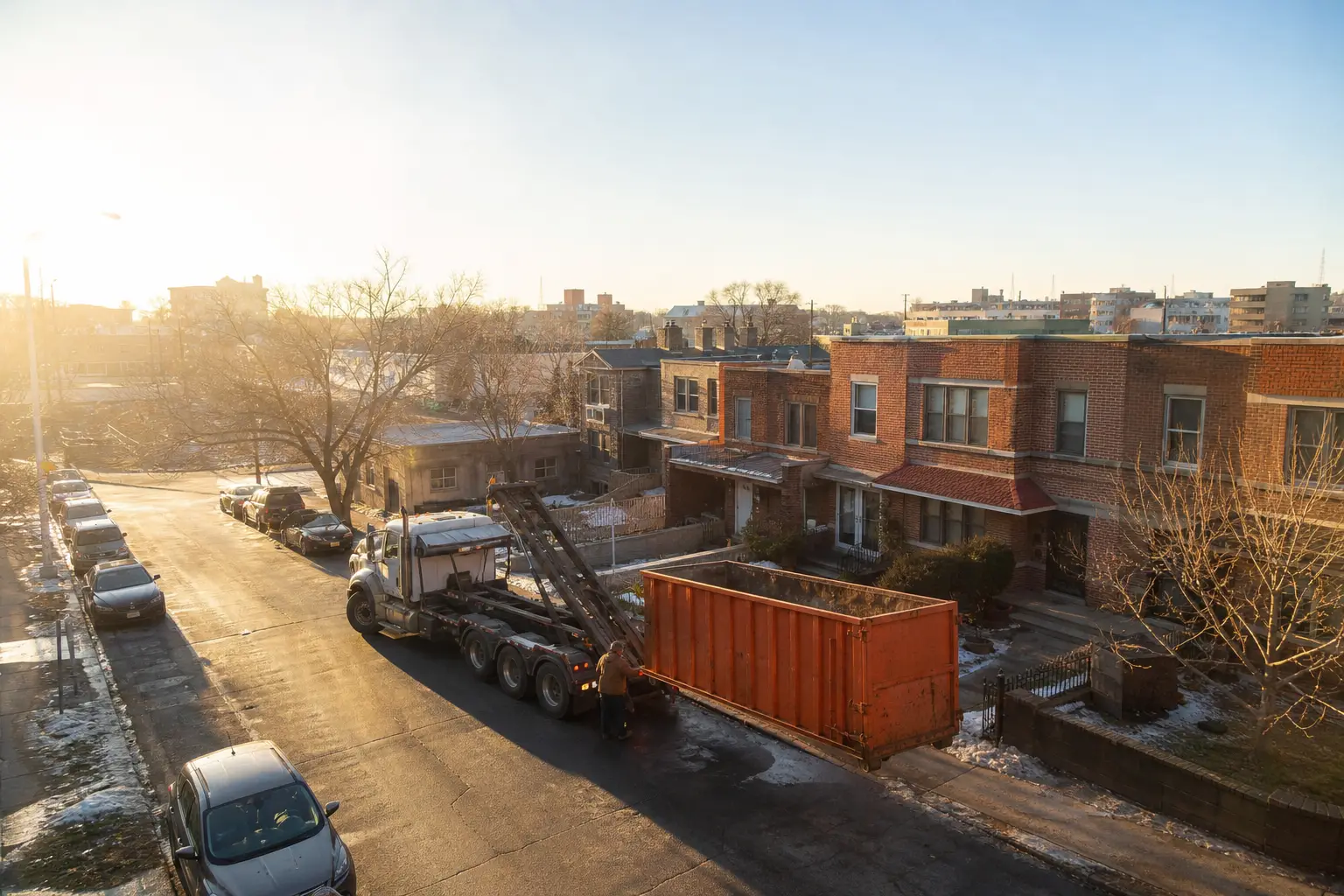
Kansas City combines older housing, compact residential lots, mixed commercial blocks, and active redevelopment. A dumpster that works easily on a newer suburban driveway may need a different approach beside a narrow lane, alley, shared drive, or busy storefront. Before scheduling, Anne Dumpster Rental checks where the truck can approach, whether gates or parked vehicles affect placement, and how the surface may respond to loaded equipment. Kansas City weather also matters. Wet spring ground, summer storms, and freeze-thaw cycles can soften or damage an unprotected surface.
The most useful placement is usually close enough to the work area to reduce carrying, but far enough from garage doors, utility access, sidewalks, and customer traffic. In older Kansas City neighborhoods, driveways may be short or shared, while commercial properties often need the container kept clear of deliveries and turning space. Driveway protection and a confirmed delivery window are planned before the truck arrives, not improvised after it is positioned. Pickup reminders help the site manager prepare for removal without leaving equipment blocking the next phase.
Tell us what is being removed, where the container can sit, and whether the project is at a home, shared property, or commercial lot. Materials such as household debris, roofing material, renovation waste, brush, and concrete may require different handling. Concrete and other heavy debris should be discussed before choosing a size because a large container is not automatically the correct container for dense material. If Kansas City placement involves a public street, property management, or a constrained alley, explain those conditions early so the practical options are clear.
Dumpster Rental Sizes We Have Available In Kansas City
10 Yard Dumpsters
10 Yard Dumpsters suit small bathroom remodels, compact garage cleanouts, and limited yard debris from Kansas City homes. They can take cabinetry, drywall, flooring scraps, bagged household waste, branches, and other light renovation material when loaded evenly. In Kansas City, the container is delivered to an accessible driveway, side approach, or approved work area after the placement surface and truck path are reviewed. Protective material can be used where the driveway needs extra care.
15 Yard Dumpsters
15 Yard Dumpsters fit medium decluttering projects, flooring removal, and single-room renovations in Kansas City houses and small properties. They can hold furniture pieces, carpet, trim, drywall, cabinets, boxes, and moderate amounts of general remodeling debris. Delivery in Kansas City is arranged for a driveway, shared access area, or suitable private lot with attention to gates, parked cars, and overhead clearance. The placement plan keeps the container useful without blocking the remaining property.
20 Yard Dumpsters
20 Yard Dumpsters are suited to whole-home cleanouts, kitchen remodels, and larger roofing projects in Kansas City. They can take household contents, cabinets, shingles, dimensional lumber, drywall, flooring, and other mixed renovation debris when materials are loaded safely. In Kansas City, Anne Dumpster Rental places the container on a practical private surface near the work while checking access for older homes, narrow drives, and active residential streets. Delivery windows are confirmed before the truck is dispatched.
30 Yard Dumpsters
30 Yard Dumpsters handle major renovations, estate cleanouts, and extensive construction debris across Kansas City. They can take larger volumes of lumber, drywall, roofing debris, flooring, furniture, doors, and mixed building material from a substantial project. Placement in Kansas City is coordinated at a driveway, construction site, commercial lot, or other accessible private area after truck access and surface conditions are considered. Keeping the approach clear allows the driver to place the container where crews can work around it.
40 Yard Dumpsters
40 Yard Dumpsters are intended for large commercial projects, demolition work, and ongoing construction disposal in Kansas City. They can take bulky building debris, framing material, interior tear-out waste, commercial cleanout material, and other approved nonhazardous debris from a high-volume site. In Kansas City, delivery is planned for a commercial yard, redevelopment site, or broad private access area that can accommodate the truck and ongoing operations. Site managers should identify loading zones, traffic paths, and changing access before placement.
Before delivery
Prepare your Kansas City property for placement
- Clear Kansas City driveways of vehicles, trailers, branches, and loose objects before the scheduled delivery window.
- Measure the practical truck approach around Kansas City gates, alleys, parked cars, and overhead utility lines.
- Tell us whether Kansas City debris includes concrete, brick, soil, roofing, brush, or mixed household material.
- Ask property managers and neighbors about shared Kansas City driveways, commercial loading zones, and access changes.
- Keep Kansas City workers away from the placement area until the driver confirms the container is safely positioned.
Placement planning
Check Kansas City access before the container arrives
A container on a private driveway is usually the simplest arrangement, but Kansas City properties do not all have a private driveway with spare room. Shared drives require agreement from the people who use them, and a commercial lot may need the property manager to reserve a loading area. A container on a public street usually needs town or city permission first; tell us where it has to sit and we will explain what applies. Check sidewalks, fire access, utility covers, low branches, parked vehicles, delivery lanes, and the turning path before selecting a spot. Older blocks and active redevelopment corridors deserve a site review because access can change during the project.
Surface condition matters as much as open space. Wet ground, patched pavement, sloped approaches, and freeze-thaw damage can make placement harder, especially when a full container is being set down or removed. Kansas City commercial sites may also have changing customer traffic, construction fencing, or scheduled deliveries. Mark the intended location, clear the approach, and identify who can approve a change if the first spot is unavailable. Anne Dumpster Rental confirms the delivery window and plans protective placement details before dispatch, while the property owner remains responsible for permissions that belong to the site.
Common questions
Answers for Kansas City dumpster customers
What size dumpster do I need for a Kansas City home renovation?
For a Kansas City home renovation, size depends on the rooms involved, material type, and how much existing structure is removed. A small bathroom project may fit a 10 Yard Dumpster, while a kitchen remodel, whole-home cleanout, or roofing project generally needs more capacity. Describe the rooms, debris, driveway, and loading plan before choosing. Kansas City homes with narrow drives may also need a placement adjustment. Separate dense materials from lighter mixed debris and have the work area ready.
Can a dumpster go on a street in Kansas City?
A dumpster may be placed on a Kansas City street only when the location and required permission allow it. Private driveways and private commercial lots are usually simpler, but a public roadway can involve local approval, traffic concerns, sidewalk clearance, or parking restrictions. Tell us the exact Kansas City street position before scheduling so the placement options can be explained. Clear nearby vehicles and identify curbs, hydrants, utility covers, and pedestrian paths before delivery.
How do you protect a Kansas City driveway?
A Kansas City driveway is assessed for access, slope, surface condition, and room for safe placement. Protective material can be used beneath the container where appropriate, but no protection removes every risk on weak, cracked, soft, or sharply sloped pavement. Describe the driveway and any recent repairs before delivery so the location can be reviewed. Keep the approach clear and point out drainage edges or areas softened by Kansas City rain and freeze-thaw conditions.
What can I put in a dumpster in Kansas City?
Kansas City dumpsters commonly handle approved household contents, furniture, drywall, flooring, cabinets, roofing debris, brush, and other nonhazardous renovation material. Concrete, brick, soil, and other dense debris should be disclosed before delivery because the practical container choice can change. Hazardous substances, liquids, and restricted materials require separate direction rather than being placed in the container. Set aside questionable items, describe the project materials, and keep debris below the top edge for safe handling.
How is dumpster delivery scheduled for Kansas City commercial sites?
Kansas City commercial delivery is scheduled after the site manager identifies the loading area, truck approach, surface, access changes, and pickup needs. Confirmed delivery windows help coordinate around customers, subcontractors, construction fencing, and scheduled deliveries, while reminders help the site prepare for removal. Active redevelopment sites may change access without notice, so provide a current contact and backup placement option. Reserve the loading zone, clear the approach, and keep equipment away from the driver path.
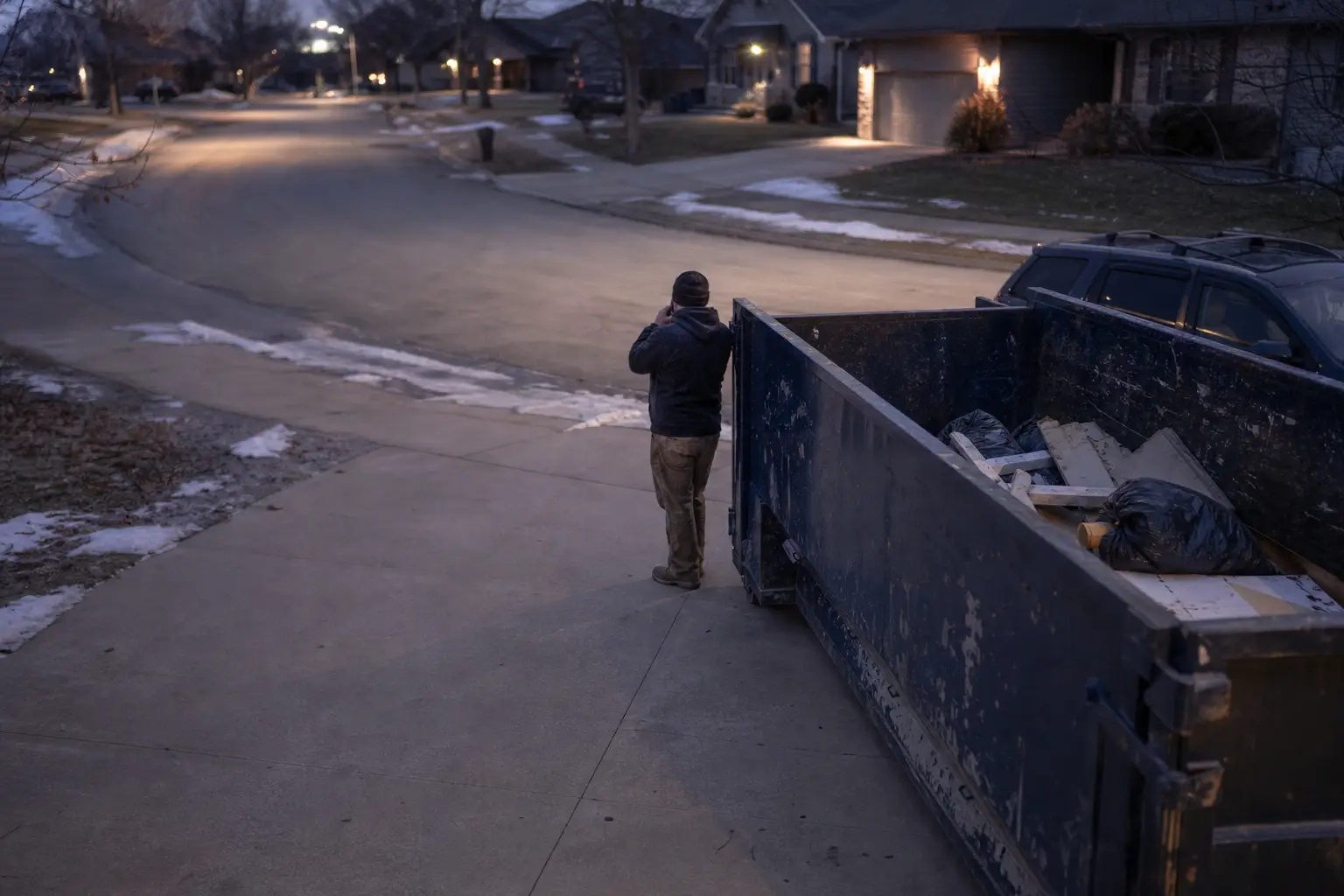
Plan the Kansas City container around the job
Have the Kansas City address, project material, preferred placement area, surface concerns, and access restrictions ready. Anne Dumpster Rental can then discuss a practical size and delivery plan for the property.
Click Here to Call(913) 489-6781Local service area
Dumpster Rental reaches Kansas City neighborhoods and corridors
Anne Dumpster Rental serves Kansas City, KS from Lenexa, including projects near Downtown Kansas City, Armourdale, Argentine, Rosedale, and the Fairfax industrial area. These locations vary from older residential blocks to commercial and redevelopment corridors, so placement depends on driveway width, street access, surface condition, and active traffic. Describe the neighborhood, property type, and intended container location so delivery planning matches the site rather than assuming every Kansas City address has the same access.